How do you decide how much turnaround time to leave between back-to-back rentals?
The gap between one return and the next pickup is where cleaning, inspection, and repairs happen. Set it too short and problems ship to the next customer; too long and units sit idle.
Turnaround is a process, so measure the process
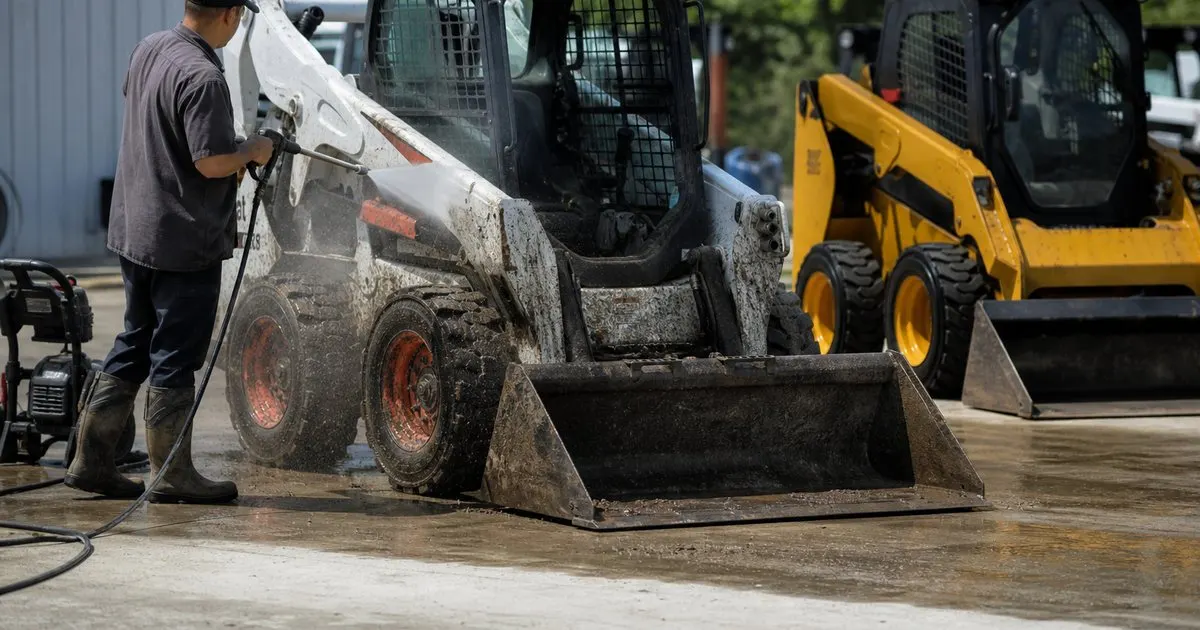
Turnaround time is not a number you pick. It is the sum of the steps a unit goes through between customers. For a floor sander that means check-in inspection, emptying and cleaning, checking the abrasive and cord, a function test, and staging for the next pickup. For a bounce house it means drying, sanitizing, inspecting seams, and repacking. Write down the steps for each category, time them a few times on a normal day, and you have a defensible minimum buffer rather than a guess.
Once measured, the number often surprises owners. A category they assumed turned around in twenty minutes actually takes over an hour when cleaning is done properly, and a category they padded with a full day can safely go out the same afternoon. The point of measuring is to set buffers per category, because a single shop-wide buffer is always wrong for half the fleet.
Keep reading: How do small rental businesses prevent double bookings on popular equipment?, What should an equipment rental checkout and return checklist actually include?, Why do damage deposits matter for tool camera and party rental businesses?. See how GearRentr helps you equipment rental booking and availability.
Account for when the return actually lands
A buffer of two hours is meaningless if returns cluster at closing time and pickups cluster at opening. The realistic question is how many units come back in the last hour of the day and how many need to go out in the first hour of the next, against how many people you have to process them. A shop with one person on the counter cannot turn around six machines overnight no matter what the calendar buffer says.
This is why some shops set the buffer in terms of business hours or in whole days for certain categories, rather than clock hours. A unit returned at five in the evening with a next pickup at eight the following morning has effectively zero working turnaround. Building the buffer as a minimum number of open hours, or requiring an overnight for heavy equipment, matches the buffer to the labor that actually exists. Related: When should a rental business charge a late fee for returned equipment?
Vary the buffer by how much can go wrong
The consequences of a short buffer are not equal across categories. If a set of folding chairs goes out with one wobbly leg, it is a minor annoyance. If a chainsaw goes out with a dull chain and a loose bar, someone can get hurt. Powered equipment, anything involving fuel or hydraulics, and anything the customer stands on or under deserves a longer buffer and a more thorough check than passive items. Related: How can rental businesses track equipment availability across many overlapping bookings?
Seasonality matters too. During peak weeks the temptation is to shrink every buffer to fit more bookings. A better move is to keep the safety-relevant buffer fixed and shrink only the buffers on low-risk items, or add temporary help for check-in processing. Cutting inspection time on the gear most likely to fail in order to squeeze in one more rental is a trade most shops regret exactly once. Related: How do small rental businesses prevent double bookings on popular equipment?
Put the buffer in the calendar so nobody has to remember it
A buffer that lives in someone's head is not a buffer. When a customer asks whether the aerator is free tomorrow morning, the person answering needs the system to already account for tonight's return plus the cleaning time, so the honest answer appears without mental arithmetic. Configure the buffer per category in whatever tool runs your availability, and let it block the calendar automatically after each reservation.
Then review it. If units are routinely ready well before the buffer ends, shorten it and free up bookable time. If staff are routinely asking customers to come back later because a unit is not ready, the buffer is too short or the process needs help. Either way, the buffer should follow the data from your check-in process rather than the number someone set two years ago. Related: Which condition notes should staff record before handing over rented equipment?
- Time the actual check-in, cleaning, and inspection steps per category and set the buffer from those measurements.
- Express buffers in open business hours or overnight requirements so an evening return is not treated as ready at opening.
- Keep buffers longest on powered and safety-critical gear, and resist shrinking those in peak season.
- Configure the buffer in the availability system so it blocks the calendar automatically, and adjust it as the data changes.

Julien Jimenez
Julien Jimenez is an independent software builder based in Paris. He designs, ships, and operates focused SaaS products for small businesses and independent professionals. Read the full author page.
Book gear without double bookings
Equipment rental booking and availability. GearRentr is built to help you put this into practice.
Start freeMore from the GearRentr blog

How do small rental businesses prevent double bookings on popular equipment?

What should an equipment rental checkout and return checklist actually include?

Why do damage deposits matter for tool camera and party rental businesses?
Get the GearRentr playbook
Practical guides on equipment rental booking, straight to your inbox as we publish them. No spam, unsubscribe any time.