Why do damage deposits matter for tool camera and party rental businesses?
A deposit turns careless handling into a shared risk and covers real losses.
Damage deposits give these businesses a ready source to cover repair or replacement without chasing customers afterward. Because renters have money on the line, they handle expensive gear more carefully. When damage does occur, a held deposit plus checkout photos lets you deduct a fair, documented amount quickly.
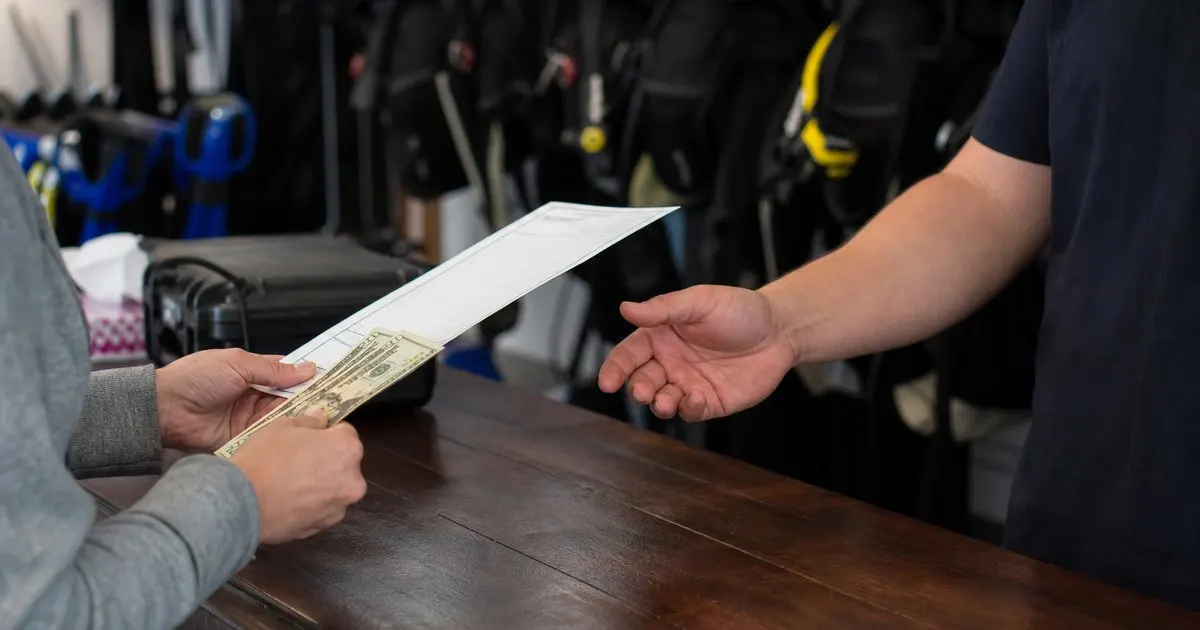
They cover real losses
Equipment gets dropped, scratched, and occasionally destroyed. A damage deposit gives you a ready source to cover repair or replacement without chasing a customer afterward. Related: How do equipment rental deposits protect against damage lost and late returns?
For expensive gear like cameras or specialty tools, that cushion is essential. A single mishandled item can wipe out the margin from many clean rentals.
Keep reading: How do small rental businesses prevent double bookings on popular equipment?, What should an equipment rental checkout and return checklist actually include?, How can rental businesses track equipment availability across many overlapping bookings?. See how GearRentr helps you equipment rental booking and availability.
They encourage care
A deposit changes behavior. When renters have money on the line, they treat gear more carefully and return it on time and intact. Related: What should an equipment rental checkout and return checklist actually include?
This preventive effect is often worth more than the deposit itself. Fewer damaged returns means less downtime and lower repair costs.
They speed up resolution
When damage does happen, a held deposit lets you resolve it quickly. You deduct a fair, documented amount rather than sending an invoice and hoping it gets paid.
Pair the deposit with checkout and return photos so any deduction is easy to justify. Evidence keeps the process fair for both sides.
Set fair, clear terms
A deposit only works if the rules are clear. Tell renters the amount, what could reduce it, and when they get it back.
Transparency builds trust. Renters accept a deposit readily when they understand it is fair and fully refundable for gear returned in good shape. Related: How should a rental shop write a cancellation policy that customers actually accept?
- Deposits cover repair and replacement costs
- They encourage renters to handle gear carefully
- Held funds speed up damage resolution
- Clear terms keep deposits fair and trusted

Julien Jimenez
Julien Jimenez is an independent software builder based in Paris. He designs, ships, and operates focused SaaS products for small businesses and independent professionals. Read the full author page.
Frequently asked questions
How large should a damage deposit be?
Size it to the value of the gear and the realistic cost of repair or replacement. For high-value cameras or specialty tools, a larger deposit reflects the bigger risk a single mishandled item creates.
How do you keep deposits from feeling unfair to renters?
Tell renters the amount upfront, what could reduce it, and when they get it back. Transparency plus prompt refunds for clean returns builds trust rather than friction.
Book gear without double bookings
Equipment rental booking and availability. GearRentr is built to help you put this into practice.
Start freeMore from the GearRentr blog
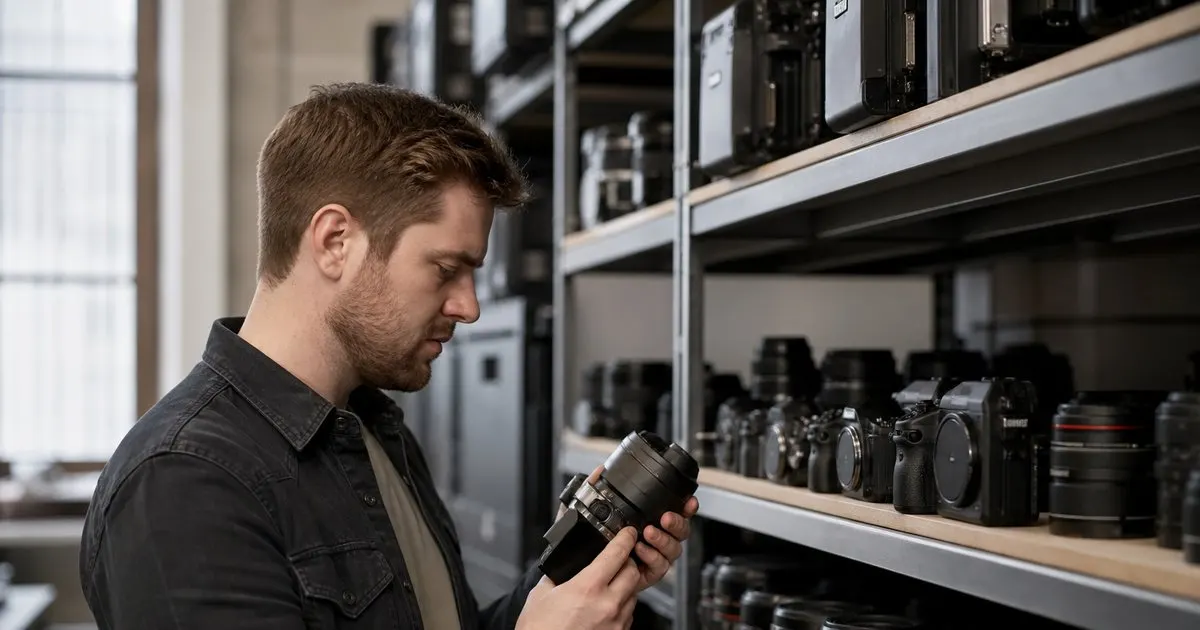
How do small rental businesses prevent double bookings on popular equipment?
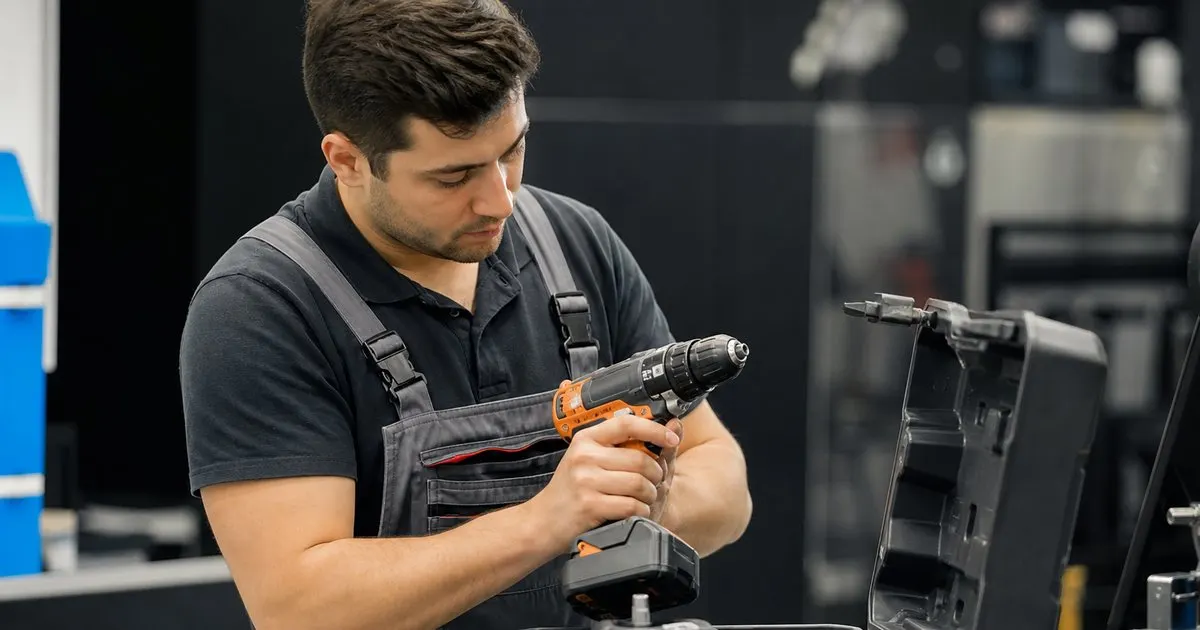
What should an equipment rental checkout and return checklist actually include?

How can rental businesses track equipment availability across many overlapping bookings?
Get the GearRentr playbook
Practical guides on equipment rental booking, straight to your inbox as we publish them. No spam, unsubscribe any time.