
Equipment rental booking
How do small rental businesses prevent double bookings on popular equipment?
A live shared calendar is the difference between a smooth weekend and two angry customers.
Practical, honest advice from the team behind GearRentr, written to help you do this well.
A live shared calendar is the difference between a smooth weekend and two angry customers.

A consistent checklist protects your gear and settles condition questions fairly.
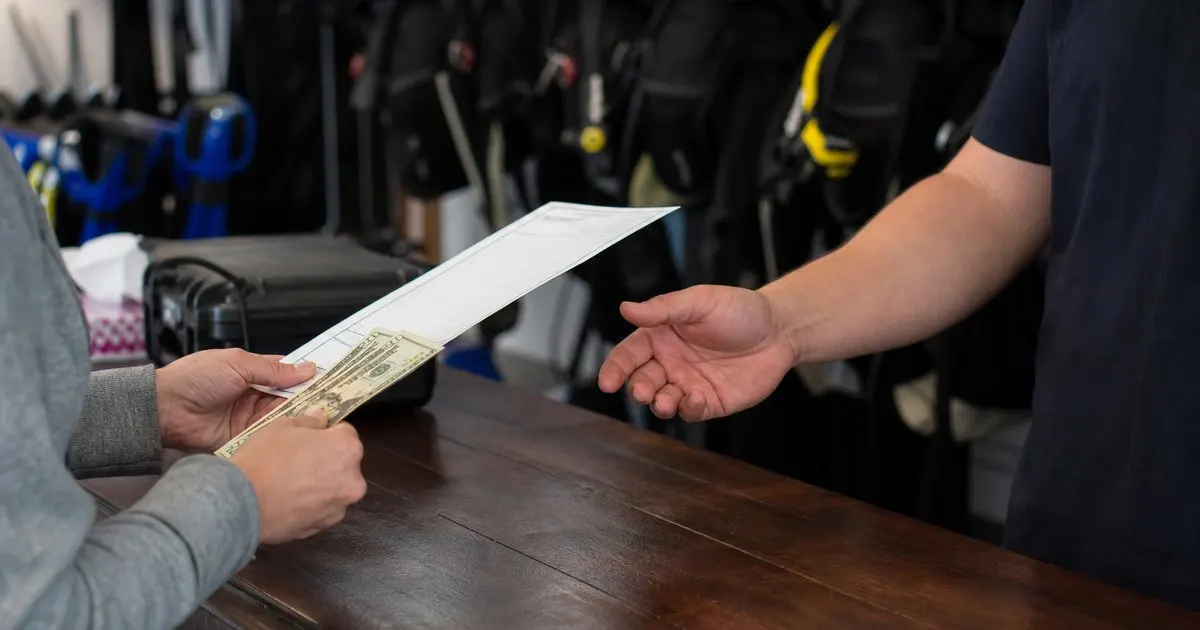
A deposit turns careless handling into a shared risk and covers real losses.

A calendar view of your whole inventory keeps complex schedules from tangling.

Clear, upfront late-fee rules protect your schedule without punishing honest delays.

The right notes at checkout make return disputes fast and fair to settle.
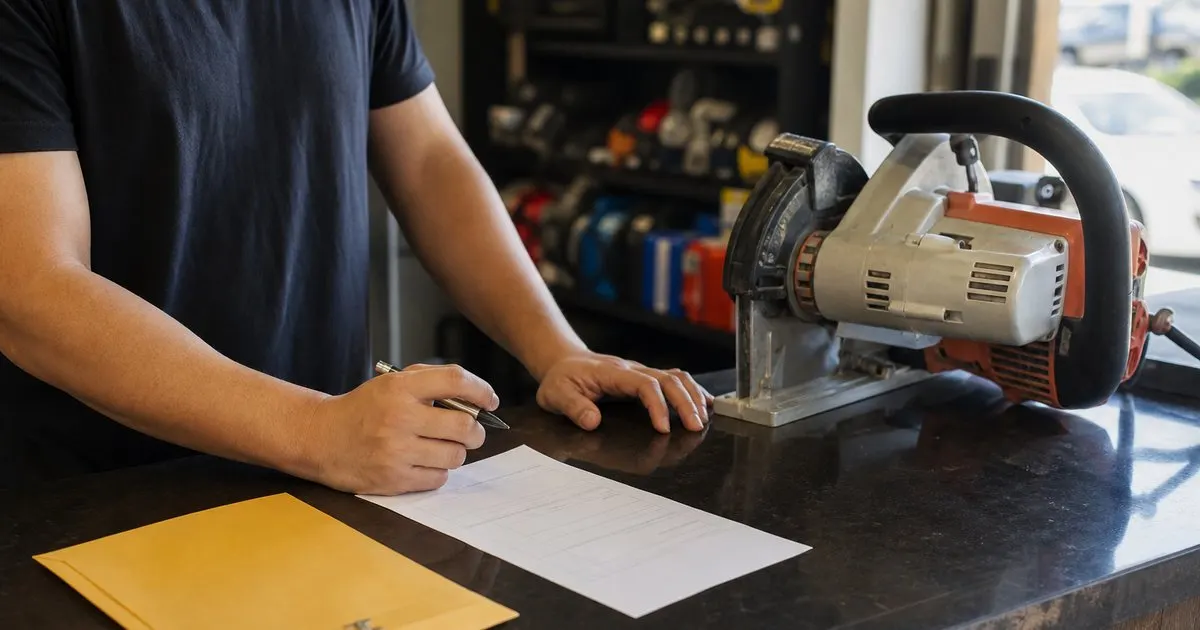
One deposit can cover three of the most common ways a rental goes wrong.

Clear reservation details reduce confusion and no-shows before the rental begins.
A few simple steps turn tentative reservations into reliable, revenue-earning rentals.
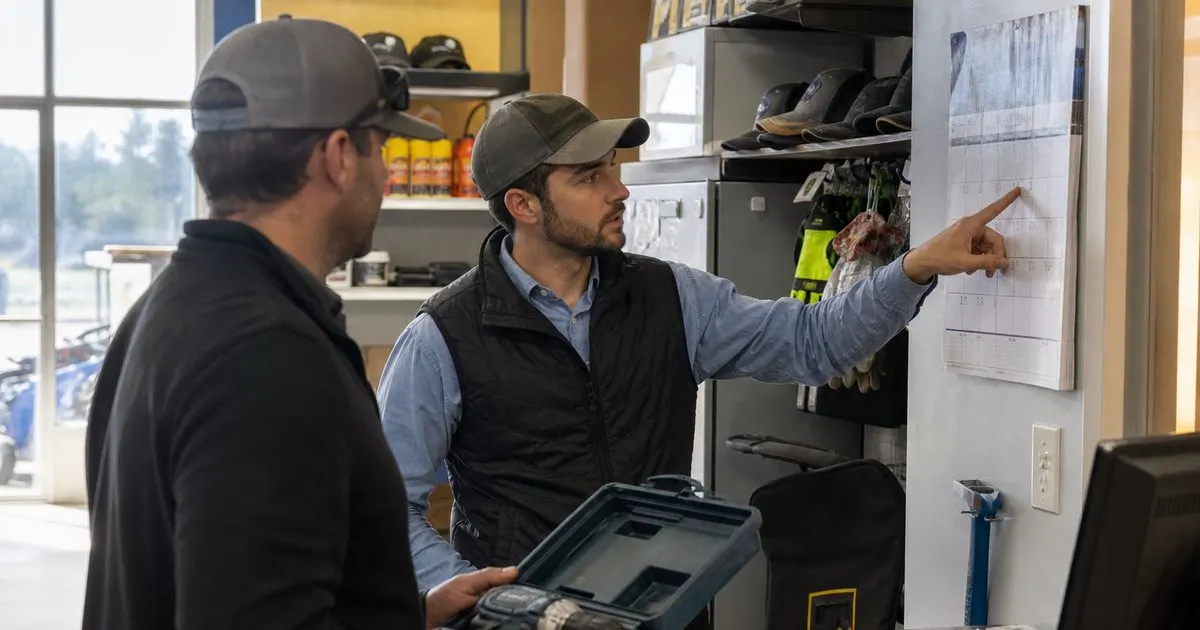
Multi-day pricing is where most small rental shops either leave money on the table or scare customers off. Here is how to structure day, weekend, and week rates so they make sense to customers and to your margins.

Every hour a unit sits in the shop is an hour it cannot earn, but a breakdown mid-rental costs far more. A practical framework for deciding when to block gear for service.
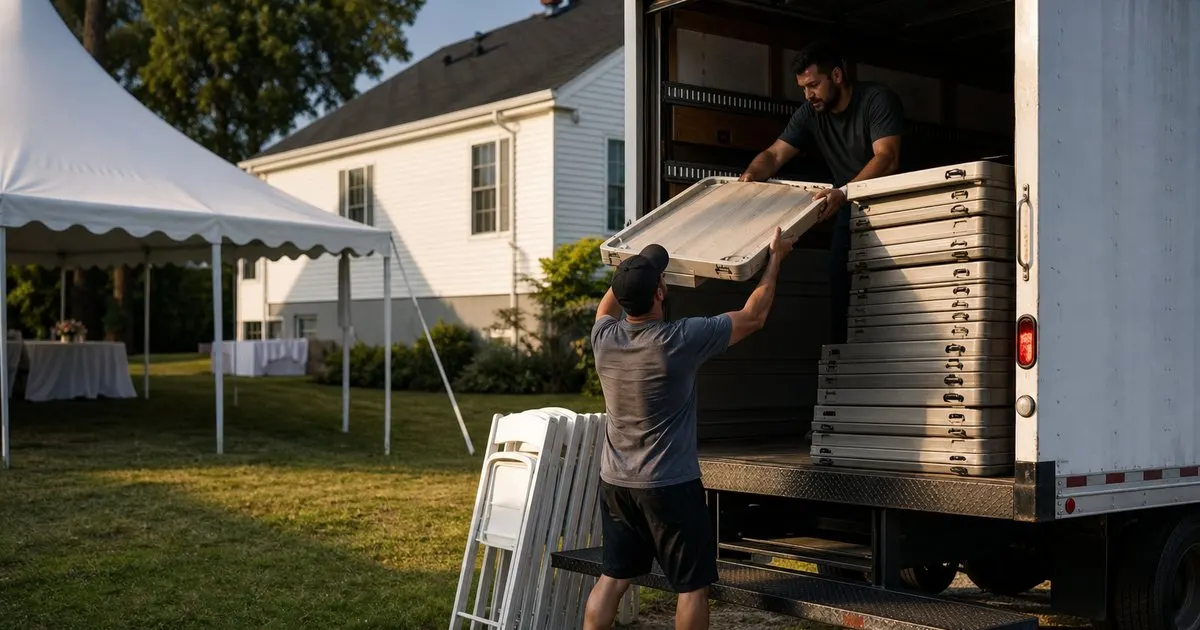
Delivery turns a booking problem into a routing problem. How small rental operations set delivery windows that customers accept and drivers can actually hit.
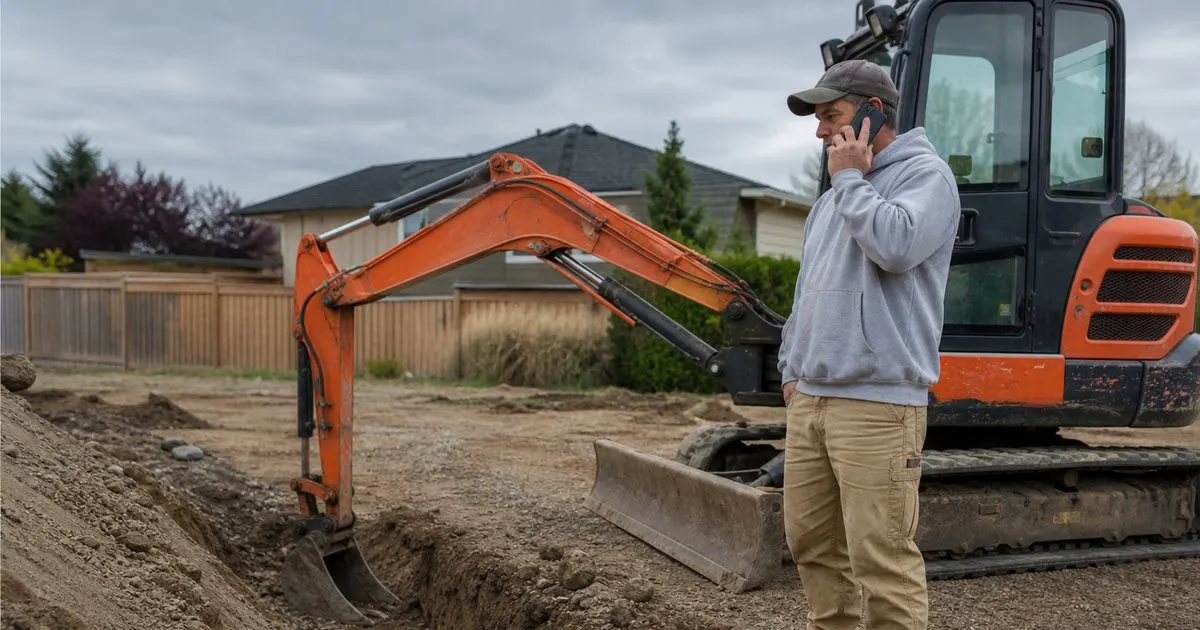
An extension request is good revenue and a scheduling hazard at the same time. How to say yes safely, say no gracefully, and keep the calendar honest either way.

The gap between one return and the next pickup is where cleaning, inspection, and repairs happen. Set it too short and problems ship to the next customer; too long and units sit idle.

Buying inventory on hunches is how shops end up with three of something nobody rents. The handful of figures that actually justify a purchase, and how to read them.

Letting customers reserve gear online without a phone call is a huge time saver until it is not. What separates the items that book themselves cleanly from the ones that need a human in the loop.
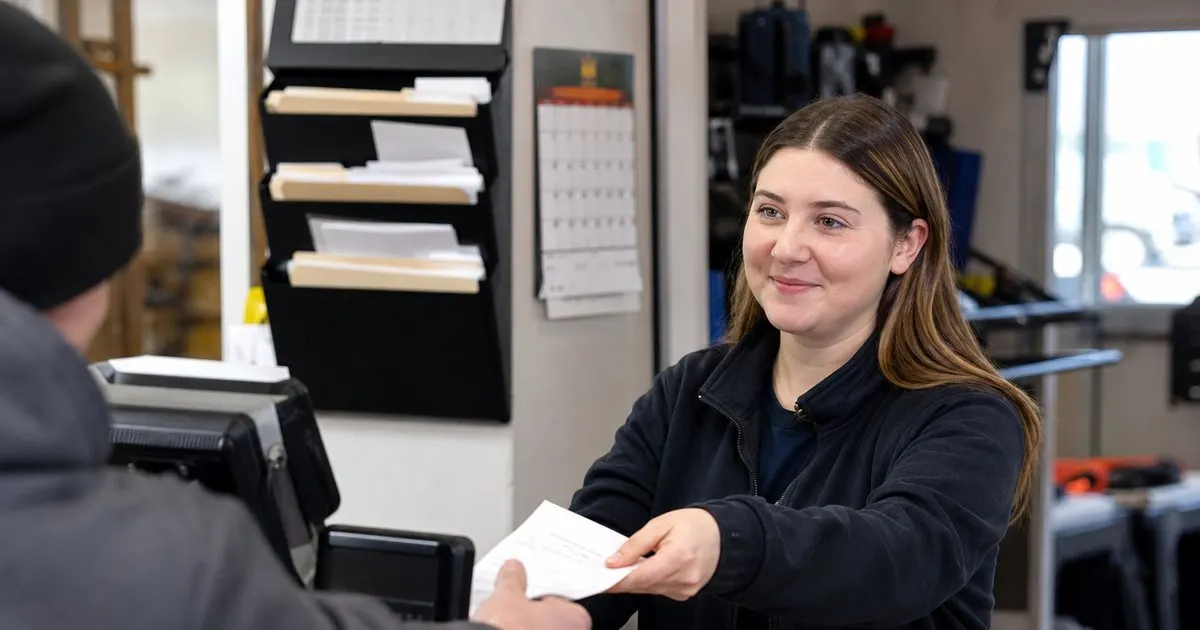
A cancellation policy protects the shop against empty calendar days and protects customers against feeling trapped. Getting both requires more precision than most policies have.
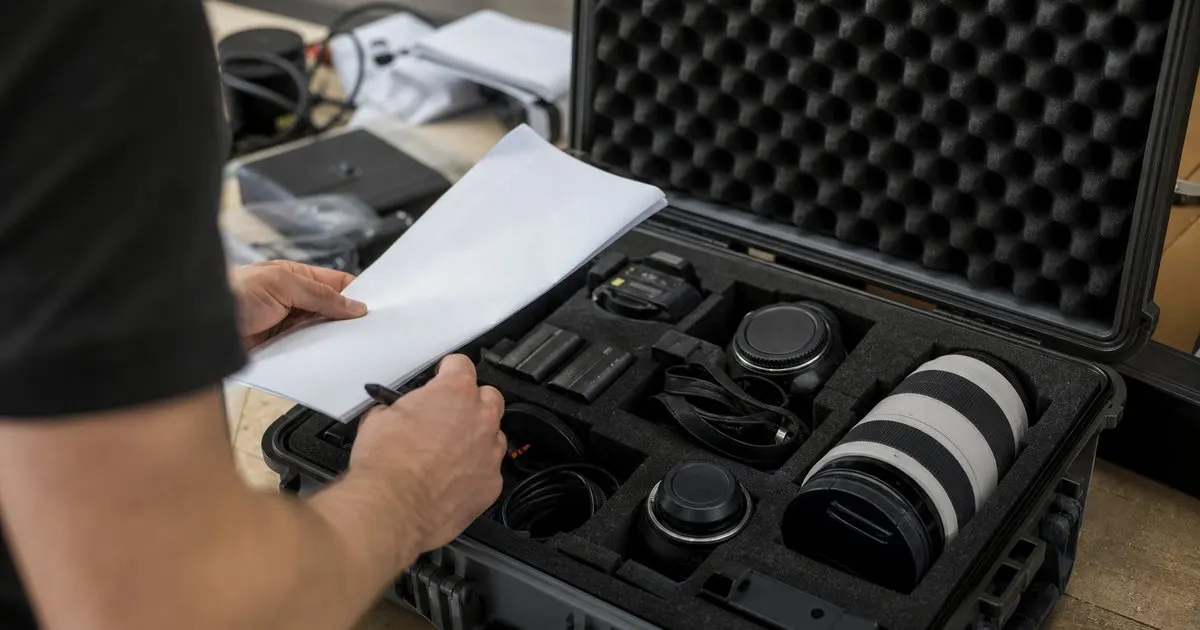
Extension cords, sandbags, memory cards, trailer hitches. The small items around the main rental decide whether a customer can actually use it, and how they are listed shapes both revenue and returns.
Online booking removes the counter conversation that used to filter out risky rentals. Here is a screening routine that protects expensive gear without making every new customer feel like a suspect.

Booking a class of equipment and assigning the physical machine at pickup keeps your calendar flexible. Here is when late assignment helps, and the cases where a serial number really does have to be locked in early.