Should rental accessories be bundled into kits or offered as optional add-ons?
Extension cords, sandbags, memory cards, trailer hitches. The small items around the main rental decide whether a customer can actually use it, and how they are listed shapes both revenue and returns.
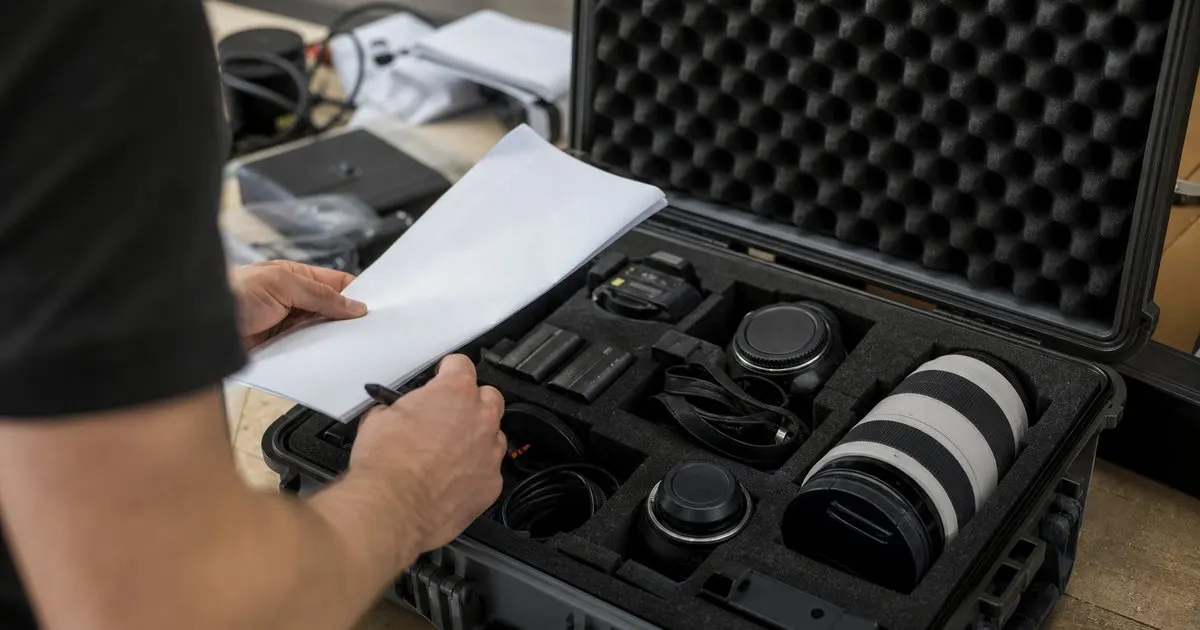
Bundle what the item cannot work without
The first rule is simple. If the main item is useless without an accessory, the accessory belongs in the kit, not in a list of options. A camera without a battery and card, a pressure washer without a wand and hose, a tent without stakes or weights. Listing these as add-ons invites the customer to skip them, and the result is a pickup delayed while staff explain the mistake, or worse, a customer who discovers the gap on site.
Bundling essentials also protects the shop. When the kit is defined, the checkout and return checklist can be built from it, and a missing piece is caught at the counter rather than discovered when the next customer opens the case. Price the kit as a unit. Customers do not resent paying for the battery when it is part of the camera; they resent being nickel-and-dimed for it after the fact. Related: What should an equipment rental checkout and return checklist actually include?
Keep reading: How do small rental businesses prevent double bookings on popular equipment?, What should an equipment rental checkout and return checklist actually include?, Why do damage deposits matter for tool camera and party rental businesses?. See how GearRentr helps you equipment rental booking and availability.
Make add-ons of the things that depend on the job
Add-ons are for accessories that only some customers need: a second battery for a long shoot, a longer hose for a large driveway, sidewalls for a tent in a windy season, outrigger pads or cribbing for a lift on uneven ground. These vary by job, and forcing them into every kit either inflates the price for customers who do not need them or leaves the shop with pieces nobody used but everybody had to check in.
The listing is where add-ons earn their keep. A short line explaining when the add-on matters helps the customer choose correctly, and it does more to sell the add-on than any pop-up. Customers who understand that the second battery lasts through a full wedding day buy it; customers who see a line item with a price and no context skip it and then call from the venue. Related: What booking details do customers expect to see when reserving rental gear?
Track accessories as inventory, not as notes
Whether bundled or optional, accessories need to be tracked with the same seriousness as the main unit if they are ever going to be reliably available. A shop that has eight cameras and six spare batteries in a drawer will eventually book a seventh battery it does not have. Give consumable and countable accessories their own inventory count, and let the booking system reserve them alongside the main item so availability is real. Related: How can rental businesses track equipment availability across many overlapping bookings?
For accessories that are cheap and frequently lost, decide in advance whether the customer pays a replacement charge or whether the shop simply absorbs it and prices the kit to cover it. Both are legitimate. What does not work is treating a missing lens cap as an argument at the counter every time. Write the replacement charge on the checkout sheet and apply it consistently. Related: How much should a small rental shop charge for weekend versus weekly rentals?
Revisit the split using return data
The right split between kit and add-on is not fixed. If an add-on is chosen on nearly every booking of a category, it is functionally an essential and should probably move into the kit with a price adjustment. If a kit component is returned unused on most rentals, it can move out and become an add-on, lowering the base price and reducing pieces to check in. The return checklist, if it records what came back and whether it was used, provides this data for free.
Consider also what the split does to your turnaround. Every extra piece in a kit is one more thing to count, clean, and inspect. A lean kit that covers the essentials plus a well-explained set of add-ons usually returns faster and generates fewer disputes than a comprehensive kit with items most customers never touch. Simplicity at the counter is a feature customers notice, even if they never say so.
- Anything the main item cannot function without belongs in the kit and in its price.
- Job-dependent accessories work as add-ons when the listing explains when they matter.
- Give accessories their own inventory counts so the booking system can reserve them with the main unit.
- Use return-checklist data to move items between kit and add-on as usage patterns become clear.

Julien Jimenez
Julien Jimenez is an independent software builder based in Paris. He designs, ships, and operates focused SaaS products for small businesses and independent professionals. Read the full author page.
Book gear without double bookings
Equipment rental booking and availability. GearRentr is built to help you put this into practice.
Start freeMore from the GearRentr blog

How do small rental businesses prevent double bookings on popular equipment?

What should an equipment rental checkout and return checklist actually include?

Why do damage deposits matter for tool camera and party rental businesses?
Get the GearRentr playbook
Practical guides on equipment rental booking, straight to your inbox as we publish them. No spam, unsubscribe any time.