What should a rental shop do when a first-time customer books high-value equipment online?
Online booking removes the counter conversation that used to filter out risky rentals. Here is a screening routine that protects expensive gear without making every new customer feel like a suspect.
Most of your exposure sits in a handful of bookings
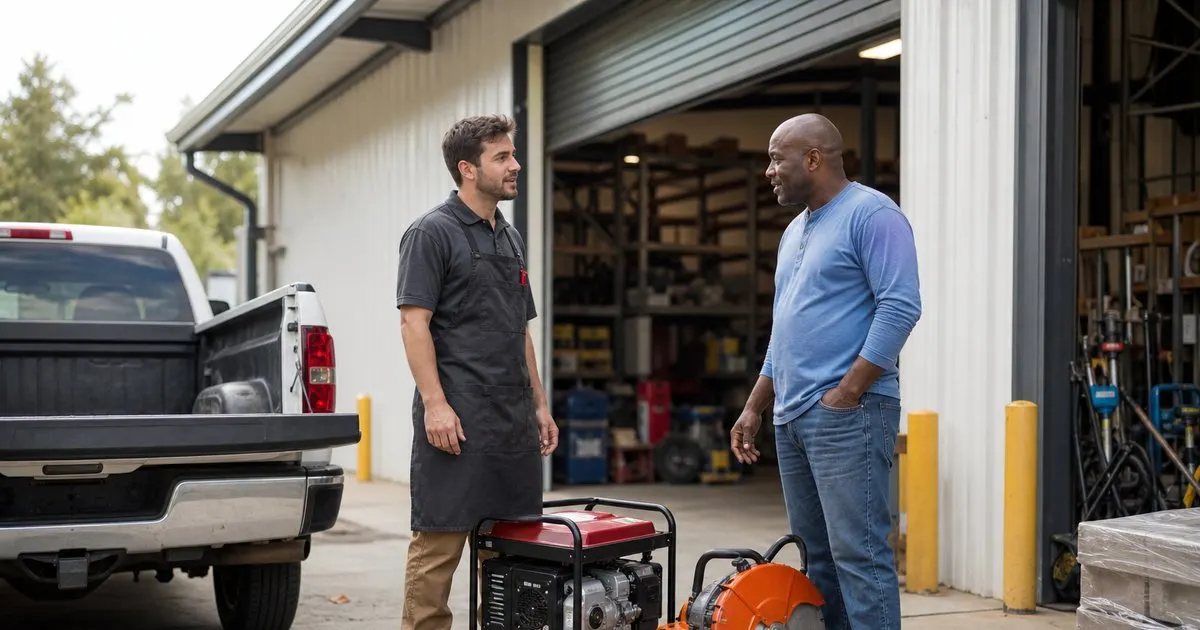
When a shop starts taking reservations online, the instinct is to tighten everything. That is the wrong move, because loss is not spread evenly across your catalog. It concentrates in bookings that share a few traits: replacement value well above your average ticket, a customer with no rental history, an account created and used within a day or two, delivery to an address nobody from your shop has seen, and a pickup slot on a busy Saturday when the counter is three deep and nobody has time to ask questions. Related: How do small rental businesses prevent double bookings on popular equipment?
The practical move is to write a threshold instead of relying on judgment in the moment. Pick a replacement value per category above which extra checks apply, and list the categories where theft or non-return is a real problem for you rather than a theoretical one. A carpet cleaner and a mid-size compactor do not deserve the same paperwork. Once the rule is on paper, a new hire on their second weekend applies the same standard as the owner, which is the whole point.
Keep reading: How do small rental businesses prevent double bookings on popular equipment?, What should an equipment rental checkout and return checklist actually include?, Why do damage deposits matter for tool camera and party rental businesses?. See how GearRentr helps you equipment rental booking and availability.
Verify the person and the account, not just the card
A successful card authorization proves that funds exist right now. It does not prove that the person picking up the machine is the person who owns the card, and stolen card details are the usual opening move in equipment fraud. At pickup, match the name on the payment method to the name on a government issued photo ID, and confirm the phone number by calling it while the customer stands there. For a company account, look up the business independently and call the number listed publicly rather than the one typed into the booking form. If your policy requires proof of insurance for certain categories, ask for it before the unit leaves, not after. Related: When should a rental business charge a late fee for returned equipment?
Apply the same steps to everyone who crosses the threshold. Consistency is both a fairness issue and a practical one: checks that get skipped for customers who seem fine are exactly the checks that fail when it matters. Be deliberate about what you keep, too. Recording an ID number or holding a photo of a license creates a data retention obligation, so store only what your policy actually needs, keep it somewhere access controlled, delete it on a schedule, and check your state rules before making an image of an ID a routine part of every rental.
Let deposits, holds and booking limits carry the load
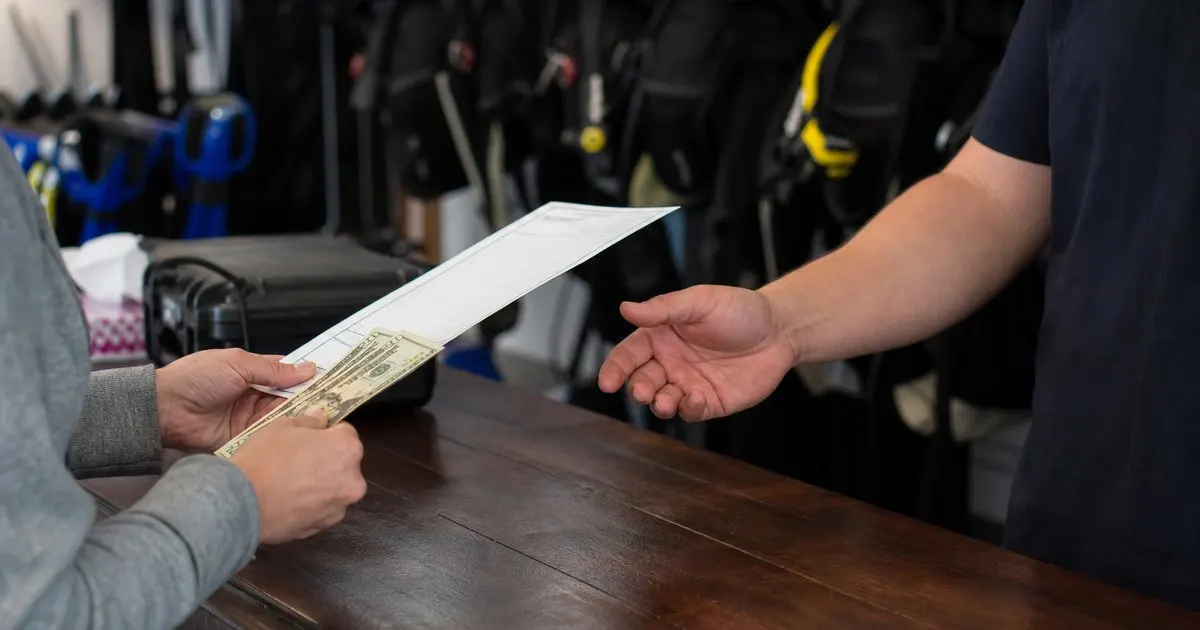
Screening tells you who you are dealing with. The deposit decides what happens if you were wrong. For a first high-value rental, size the deposit against what it would cost to replace the unit and lose it from the fleet for weeks, not against the cost of a typical scratch. A hold placed on a card is not the same instrument as a charge: authorizations commonly expire within a week or so depending on the issuer, so a two week rental needs either a re-authorization or a different arrangement agreed at the start. Say which one you are doing, in plain language, before the customer signs.
Your booking software should also be able to say no politely on your behalf. Decide which categories a brand new account can reserve online without a phone call, cap how many units a first-time customer can book at once, and require counter pickup rather than delivery for a first order above your threshold. Delivery is where verification is weakest, because a driver on a tight route is not going to run an ID check on a muddy lot with nobody around. Give the driver a rule that fits the truck: someone authorized has to be on site to receive the equipment. Related: How can rental businesses track equipment availability across many overlapping bookings?
Make the checks fast, predictable and visible before pickup
The reason screening gets a bad reputation is that customers meet it as a surprise at the counter after they have already driven across town. Fix that upstream. Put the requirements on the booking page for the categories they apply to, repeat them in the confirmation message, and name them specifically: bring the card used for the reservation, bring a photo ID with the same name, expect a deposit hold of roughly this size, and plan on a few extra minutes. Customers who intend to return your gear rarely object to any of this once they know it is coming. Related: What should an equipment rental checkout and return checklist actually include?
Then close the loop internally. Add a short checklist to the booking record so any staff member can see which checks were done and by whom, and review the results every few months. Look at how many bookings hit the threshold, how many failed a check, and what actually went missing or came back damaged. If nothing has gone wrong in a category for years, your threshold is probably too low and you are taxing good customers. If a booking does fail a check, offer a path rather than a flat refusal: a smaller unit, a larger deposit, counter pickup, or a call with the account owner.
- Set a replacement-value threshold per category so extra checks apply to a small, defined slice of bookings.
- Match the payment name to a photo ID and confirm the phone independently, because an approved card proves funds, not identity.
- Size first-time deposits against replacement cost, and tell the customer whether you are placing a hold or taking a charge.
- Publish the requirements at booking and in the confirmation, then log which checks were done on the booking record.

Julien Jimenez
Julien Jimenez is an independent software builder based in Paris. He designs, ships, and operates focused SaaS products for small businesses and independent professionals. Read the full author page.
Book gear without double bookings
Equipment rental booking and availability. GearRentr is built to help you put this into practice.
Start freeMore from the GearRentr blog

How do small rental businesses prevent double bookings on popular equipment?

What should an equipment rental checkout and return checklist actually include?
Why do damage deposits matter for tool camera and party rental businesses?
Get the GearRentr playbook
Practical guides on equipment rental booking, straight to your inbox as we publish them. No spam, unsubscribe any time.