How do equipment rental deposits protect against damage lost and late returns?
One deposit can cover three of the most common ways a rental goes wrong.
One deposit guards against three common failures. For damage, it lets you recover documented repair costs immediately. For a missing item, it offsets the replacement cost. For a late return, it backs your late-fee policy so you deduct rather than chase payment, then refund promptly when gear comes back clean.
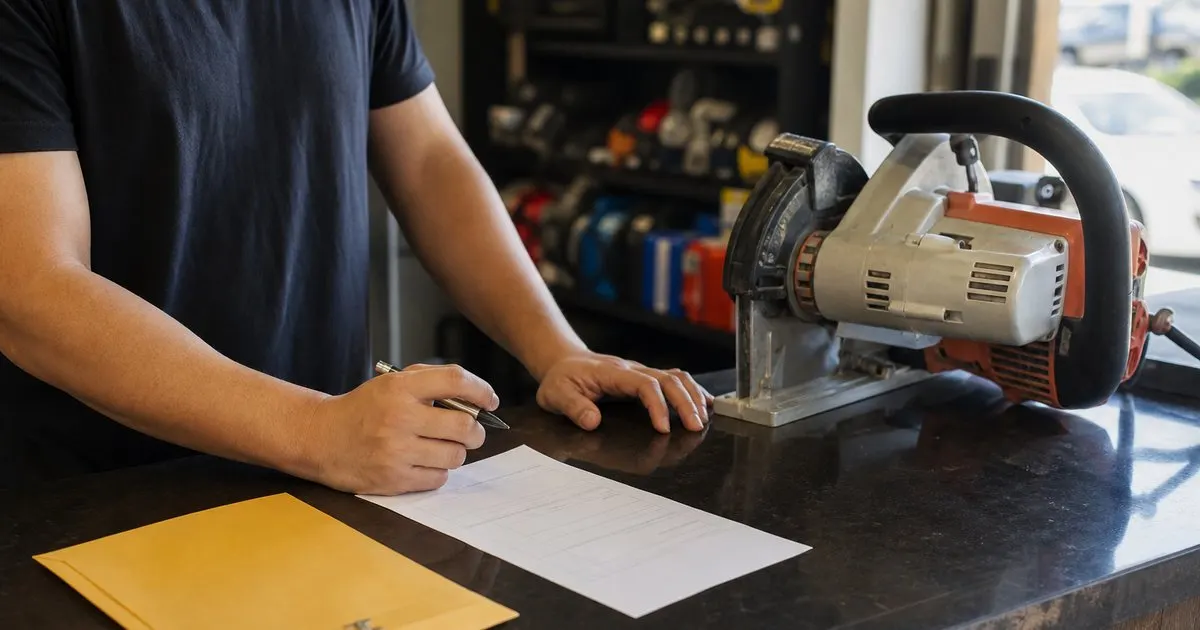
Against damage
When gear comes back damaged, a deposit lets you recover repair costs immediately. You deduct a documented amount rather than billing after the fact.
Pairing the deposit with checkout and return photos keeps any deduction fair and defensible. The renter can see exactly what changed. Related: What should an equipment rental checkout and return checklist actually include?
Keep reading: How do small rental businesses prevent double bookings on popular equipment?, What should an equipment rental checkout and return checklist actually include?, Why do damage deposits matter for tool camera and party rental businesses?. See how GearRentr helps you equipment rental booking and availability.
Against loss
If an item is not returned at all, the deposit offsets the loss. For high-value gear you may set the deposit to reflect a meaningful share of replacement cost.
This protects your inventory. A rental business cannot absorb repeated total losses, and a deposit makes non-return far less likely. Related: How can rental businesses track equipment availability across many overlapping bookings?
Against late returns
A deposit also backs your late-fee policy. If a renter returns gear late, you can apply the agreed fee against the held funds rather than chasing payment. Related: When should a rental business charge a late fee for returned equipment?
That ready recourse makes the policy real. Renters take return times seriously when there is money at stake.
Return it promptly when earned
The flip side of a deposit is returning it quickly when gear comes back on time and intact. Prompt refunds build trust and repeat business. Related: How do you decide how much turnaround time to leave between back-to-back rentals?
Clear terms and fast returns turn the deposit into a fair mutual agreement rather than a source of friction.
- Deposits cover repair costs for damage
- They offset the cost of unreturned items
- They back up your late-fee policy
- Return them promptly when gear comes back clean

Julien Jimenez
Julien Jimenez is an independent software builder based in Paris. He designs, ships, and operates focused SaaS products for small businesses and independent professionals. Read the full author page.
Frequently asked questions
Should the deposit equal the full replacement value?
For high-value gear you may set it to reflect a meaningful share of replacement cost, which discourages non-return. The right amount balances real protection against a figure renters will still accept.
What keeps a deposit from causing friction?
Clear terms and fast refunds. When renters know the amount, the conditions, and that intact gear returned on time earns a prompt refund, the deposit reads as a fair mutual agreement.
Book gear without double bookings
Equipment rental booking and availability. GearRentr is built to help you put this into practice.
Start freeMore from the GearRentr blog
How do small rental businesses prevent double bookings on popular equipment?

What should an equipment rental checkout and return checklist actually include?
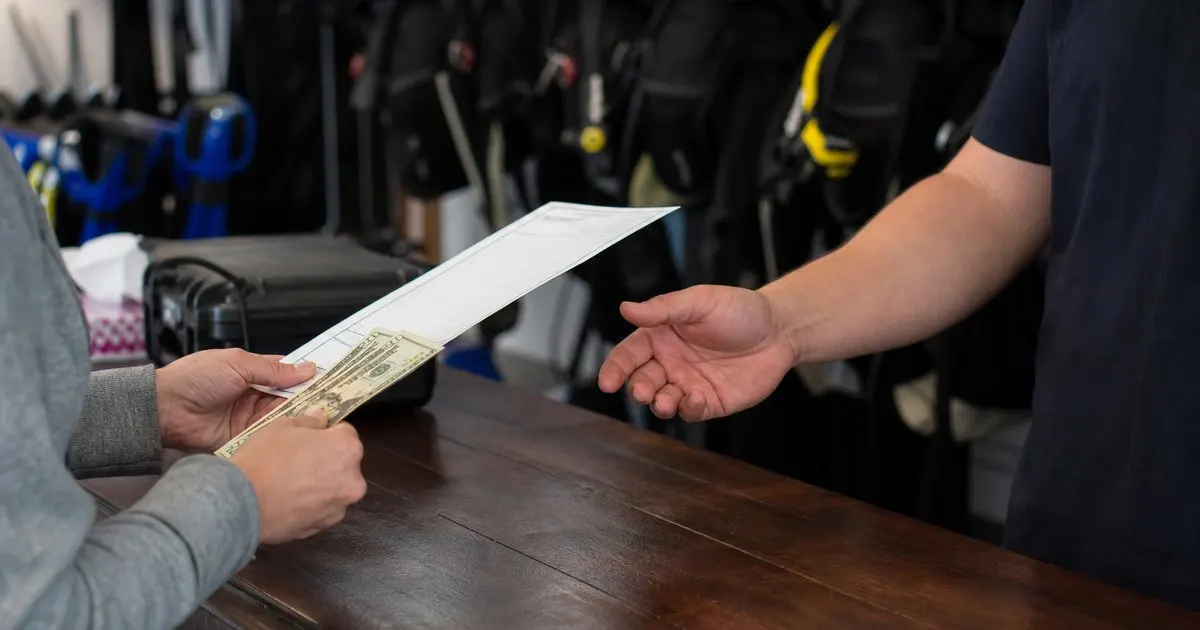
Why do damage deposits matter for tool camera and party rental businesses?
Get the GearRentr playbook
Practical guides on equipment rental booking, straight to your inbox as we publish them. No spam, unsubscribe any time.